The ultra Project | Week 5 t0 19
Becoming the athlete
The Hiccup, The Falter, The Guilt, The Reset
Some weeks in an ultra‑running journey feel clean, sharp, and disciplined. Weeks 5 to 19 was not one of them. It was the hiccup, the stutter in the engine, the moment the compass spun and pointed somewhere unhelpful. A falter. A dip. A reminder that progress isn’t linear, and that even the most committed missions encounter turbulence.
Over the couple of months, exercise has happened, but not with the intensity, structure, or intent that usually defines my training. Work has expanded, study has demanded attention, and both have been poorly prioritised. I began this academic year with a clear plan: things will change. By Week 2, that plan was already slipping through my fingers.
But this is not a failure. This is a reset.
Deep breaths. Re‑centre. Re‑prioritise.
Last Year’s Order of Life
Work
Family & Friends
Everything else (including fitness)
Study
It worked… until it didn’t. Work dominated. Study squeezed into the margins. Fitness became optional. And although life continued, it didn’t progress in the direction I wanted.
This year, the hierarchy changes; deliberately, unapologetically, and with purpose.
This ACEDemic Year’s Priorities
1. Health & Fitness
Because without health, nothing else stands. Because the 50‑mile race across Wales isn’t just an event, it’s a declaration of who I am becoming. Because longevity, strength, and resilience don’t happen accidentally. Because my body is the vehicle that carries every ambition, every responsibility, every relationship, every challenge. Because I want to live past 100, and that doesn’t happen by chance. Because when fitness is right, everything else becomes easier to carry.
2. Study — Final Year of the Degree
This is the last push. The final ascent. The year where discipline outweighs motivation, and where the work I do now shapes the opportunities I’ll have later. It deserves priority, not leftovers. Family & Friends
Because they are the constant. Because they anchor me when work becomes chaotic and study becomes heavy. Because relationships are not maintained by accident, they require presence, time, and attention. Because the people in my life matter more than the tasks in my inbox.
4. Work
Because I go to work to live, not live to work. Because productivity is not the same as purpose. Because boundaries are not weaknesses, they are strategy. Work remains important, but it no longer gets the first slice of me.
5. Everything Else
The noise. The optional. The distractions. They can wait.
The Reset
Week 5 to 19 wasn’t pretty. It wasn’t polished. It wasn’t the heroic montage of training clips and early‑morning discipline. It was messy.
But resets are powerful.
A reset is a line in the sand. A reset is a recommitment. A reset is the moment the mission becomes clear again.
The Ultra Project continues, not because it’s easy, but because it’s important. And Week 5 to 19, with all its hiccups and guilt, might just be the weeks that strengthens the resolve for everything that comes next.

The Honest Bits
I am inspired by my athletic friends, more than they probably realise. Some I know personally. Some I only know through the small windows of social media. But all of them, in their own way, push me forward.
I watch their training. I watch their discipline. I watch the way they keep showing up, even when life throws the usual chaos at them.
I see their disappointment when things don’t go to plan, the missed PB, the bad race, the injury, the fatigue, the days where motivation simply doesn’t arrive. They share those moments openly, and there’s something powerful in that honesty. It reminds me that even the strongest people stumble.
But I also see their joy.
The finish‑line photos. The medals. The sunrise runs. The proud smiles after conquering the next big event. The quiet posts where they say, “I didn’t think I could do this… but I did.”
Those moments inspire me beyond words.
They remind me that progress isn’t loud. It isn’t glamorous. It isn’t always easy.
It’s built in the small decisions, the early alarms, the cold mornings, the miles nobody sees, the days where you choose effort over comfort.
Their journeys make me question my own limits. They make me want to be better. They make me want to keep moving forward, even when I falter.
And maybe that’s the honest bit:
I’m not doing this alone. I’m carried forward by the people who show me what’s possible. Their grit becomes my motivation. Their joy becomes my fuel. Their setbacks become my lessons.
They inspire me in ways I can’t fully articulate, but I feel it every time I lace up my shoes.
And I’m grateful for every single one of them.
Diet
This part still stands, and it stands even stronger now:
Diet is probably the easiest area to improve.
Not because it’s effortless, but because it’s one of the few areas where the variables are almost entirely in my control. And if I’m honest, my current eating pattern isn’t helping me move toward the Wales 50, it’s holding me back.
Right now, I get free lunches at work. Then I eat a big meal in the evening. Breakfast is hit‑and‑miss, and with a 4am rise, that means by 8am I’m hungry. For most people, that’s lunchtime. For me, it’s the point where my body is already asking for fuel.
And then there’s the vending machine.
The vending machine is not my friend. It does me no favours. It’s convenience disguised as comfort, and it derails me more than it supports me.
I need to stop relying on it. I need to stop pretending it’s harmless. I need to stop letting it fill the gaps created by poor planning.
The truth is simple:
Less processed food. More informed choices. More preparation. More intention.
I’ve started thinking of my body as a human computer:
Data in = Data out.
Good nutrition in. Better energy, recovery and stamina out.
The equation is brutally honest, and brutally fair.
But here’s the real honest bit:
I need to look properly at my eating pattern. Not vaguely. Not “I’ll try harder.” But with actual structure.
And the good news? I follow enough food socials to work through recipes. I like cooking. I enjoy the process. I just haven’t been using that skill intentionally.
So I’m going to start making my own weekly treats, healthier snacks, planned fuel, things I actually enjoy eating that don’t sabotage my training. If I can prepare food for myself. If I can follow a recipe for fun, I can follow one for performance.
This isn’t about perfection. It’s about respect, respecting the machine I’m asking so much from.
Better nutrition. Better fuel. Better outcomes.
It’s simple. It’s logical. And it’s time I apply it with consistency.
The reset includes this too.
Training
Training doesn’t need to be perfect. It doesn’t need to be impressive. It doesn’t need big miles, big numbers or big statements.
It just needs to be consistent.
The truth is simple: I don’t need to run far. I don’t need to run fast. I just need to get out there.
Show up. Step outside. Move. Even if it’s ten minutes. Even if it’s a short loop. Even if it’s nothing worth posting online.
Consistency builds the engine. Consistency builds the resilience. Consistency builds the version of me who will stand on the start line of the Wales 50.
The miles will come. The fitness will come. The confidence will come.
But only if I keep showing up.
No drama. No excuses. Just bloody get out there.
Mental Wellness
Mental wellness isn’t a luxury. It’s not something to squeeze in when everything else is done. It’s the foundation that holds everything together.
And this week reminded me of something simple:
I work to live. I do not live to work.
When work creeps into every corner of life, everything else suffers, sleep, stress, digestion, training, focus, even the ability to enjoy the small things. My diverticulitis flare‑ups are proof enough. Stress isn’t just a feeling; it’s a physical consequence.
I need clearer boundaries. I need to leave work at work. I need to stop carrying other people’s noise home with me.
Because my health deserves better. My goals deserve better. My life deserves better.
Mental wellness, for me, means choosing peace over pressure. It means reading instead of doom‑scrolling. It means walking, breathing, noticing. It means remembering that my job is part of my life, not the centre of it.
Work supports the life I want. It should never replace it.
And that’s the honest bit.
Looking Forward
My trip to Narrowboat Mandarin is now just a week away, and honestly, it couldn’t be better timed. I need it. Not as a holiday, but as a reset , a deliberate step away from noise, meetings, screens, and the constant pull of work.
It’s time for a work detox. Time to leave the inbox behind. Time to stop carrying other people’s urgency around like it’s mine.
The plan is simple:
Lots of study. Lots of running. Lots of walking in nature. A full diet reset.
Mandarin has always been a place where things slow down. The pace changes. The mind clears. The world feels bigger and quieter at the same time. It’s the perfect environment to get back to the basics, movement, focus, good food, fresh air, and uninterrupted thought.
This holiday week isn’t just a break. It’s preparation. It’s alignment. It’s the next step in the reset I’ve already started.
And I’m ready for it.

Lesson of the Week
The Cost of Running on Empty
This week delivered a simple but sharp lesson: you cannot outrun poor prioritisation.
I moved from meeting to meeting, most of them non‑value‑add, the kind that drain time without returning anything useful. My fluid intake was terrible, to the point that halfway through Wednesday’s run my body sent a very clear message: cramp. Not a mystery. Not bad luck. Just the inevitable outcome of neglecting the basics.
Today is rest. Tomorrow is the reset.
Next week’s diary pages have already been stripped of non‑essential appointments , a deliberate clearing of the runway so I can take off properly again.
What This Week Taught Me
1. Meetings are not work
Activity is not productivity. Movement is not progress. A calendar full of noise is just that, noise. If it doesn’t add value, it steals value.
2. Hydration is not optional
Fluid intake is one of the simplest performance multipliers, yet the easiest to overlook. This week proved that neglecting it has immediate consequences. Cramp is just the body’s way of saying: you didn’t give me what I needed.
3. Fatigue isn’t always physical
Running on low hydration, low focus, and high distraction creates a kind of cognitive fatigue that bleeds into training, study, and decision‑making. The fix isn’t heroic effort, it’s better structure.
4. Resetting is a skill
Not a failure. Not a collapse. A skill. The ability to stop, breathe, wipe the slate, and start again with intention is one of the most powerful tools in long‑term endurance training and long‑term life management.
5. Protecting next week starts now
By clearing your diary of non‑essential appointments, you’ve already taken control of the next seven days. This is how momentum is built: not by chance, but by design.
The Mission Brief for Next Week
Hydration becomes non‑negotiable.
Training intensity returns gradually but deliberately.
Study gets protected time.
Work gets boundaries.
Meetings get filtered ruthlessly.
Recovery is scheduled, not accidental.
Week 19 wasn’t perfect, but it was instructive. Sometimes the lesson arrives disguised as cramp, fatigue, and frustration. You listened. You adjusted. You reset.
That’s how an ultra is built.
Barry Goes Ultra
Made with Squarespace
Location
Dorchester,
Dorset. UK
Contact
barry@barrygoesultra.uk
The ultra Project | Week 4
Building Momentum
The previous few weeks have started to provide an answer. Not through dramatic breakthroughs or remarkable performances, but through something far more valuable: evidence. Evidence that the alarm can ring at 4am and be answered. Evidence that training can happen alongside work, study, and the countless distractions of everyday life. Evidence that progress is still possible.
Momentum is an interesting thing. It doesn't arrive suddenly. It builds quietly, often unnoticed at first. One run leads to another. One good decision makes the next slightly easier. Distances that once demanded effort begin to feel routine. The body adapts, but so does the mind.
What makes momentum powerful is that it changes the conversation. The question is no longer whether you can train. The question becomes how far you can go if you keep doing it.
That doesn't mean every day feels easier. There will still be missed sessions, tired mornings, and moments when enthusiasm is nowhere to be found. Life has a habit of interrupting even the best-laid plans. The difference now is that a missed day feels like a pause rather than a setback. The direction of travel remains the same.
This stage of the rebuild is about carrying forward what has already been earned. Protecting the small habits that are beginning to take root. Adding a little more distance, a little more confidence, and a little more belief with each passing week.
Because momentum isn't built by one exceptional effort.
It's built by ordinary efforts repeated often enough that they become part of who you are.
The miles are starting to accumulate. The fitness bank is growing. The horizon remains distant, but for the first time it feels closer than it did before.
The rebuild is no longer about getting started.
It's about keeping the wheel turning.
And every turn makes the next one easier.
This Week's Training
Monday
Monday was meant to be strength training.
My nemesis.
Running has always come more naturally. There's something simple about putting on a pair of trainers and heading out the door. Strength work, on the other hand, has always felt like the thing that sits stubbornly on the to-do list, waiting patiently while I find reasons to do anything else first.
The day started early, as most of them seem to now. Coffee in hand, I was already mentally working through the week's priorities before the sun had properly made an appearance. Work was busy, full of the usual mix of deadlines, shifting requirements, and emails that somehow multiply when you're not looking.
Throughout the day, I knew the strength session was waiting for me.
Not looming over me exactly, but quietly present in the background. Like a conversation you've been meaning to have for a long time.
One of the things I've learned during this rebuild is that weaknesses rarely disappear by themselves. You can avoid them for a while. You can work around them. You can convince yourself that the enjoyable parts of training are enough. But eventually, you have to face the things that hold you back.
For me, that's strength training.
Not because I don't understand its value. Every coach, athlete, and article says the same thing. Stronger muscles improve resilience, reduce injury risk, and provide the foundations needed for bigger training loads. I know all of that.
The challenge isn't knowledge.
The challenge is doing it consistently.
By the time the evening arrived, I could feel the familiar temptation to postpone it. Tomorrow would be easier. Tomorrow would be more convenient. Tomorrow would somehow be different.
But momentum doesn't care about convenience.
So the session got done.
It wasn't spectacular. There were no personal bests, no moments of revelation, and certainly no sudden transformation into someone who loves squats and lunges. It was simply a case of showing up and doing the work.
And perhaps that's the point.
Every rebuild has its weak points. Every athlete has an area they would rather avoid. Progress often hides behind the tasks we're least excited about doing.
The funny thing is, I can feel it starting to click.
Not because I suddenly enjoy strength training, but because I'm beginning to accept that it is part of the process rather than an obstacle to it.
Maybe that's what momentum really looks like.
Not loving every session.
Just no longer arguing with yourself before doing it.
Tuesday
Tuesday began with a familiar negotiation.
The alarm went off early, and before my feet had even touched the floor, the internal excuses had already started their daily briefing. It would be easy to leave today's training for later. Work was busy. The calendar was full. There would be another opportunity this evening.
Experience has taught me that "later" is often where good intentions go to die.
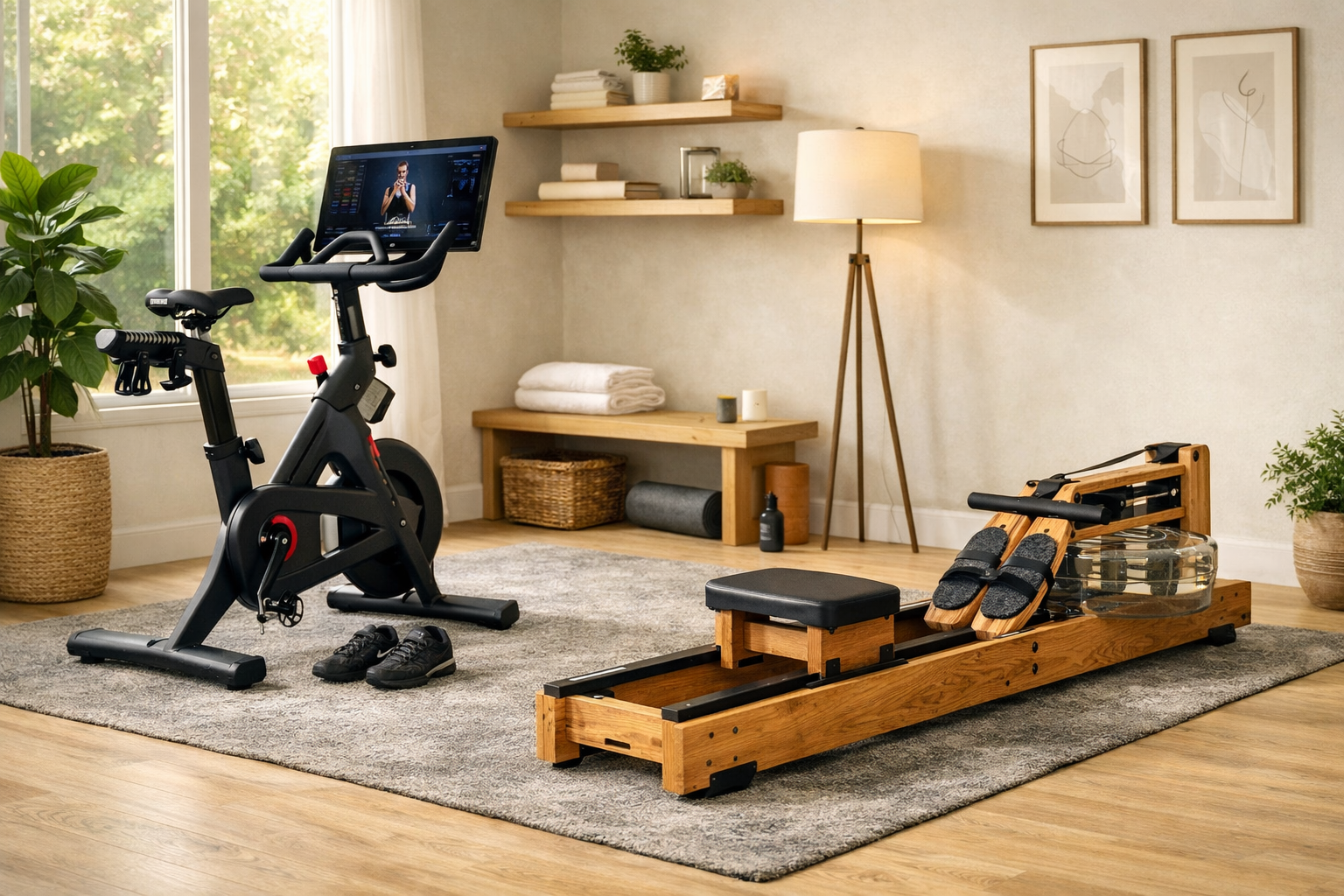
So I headed downstairs, clipped into the Peloton, and loaded up the 10 km Pūpūkea Forest Ride.
There is something satisfying about starting the day with movement before the rest of the world begins making demands on your time. No emails. No meetings. No competing priorities. Just the steady rhythm of the pedals turning beneath you.
The ride itself wasn't about chasing records or testing limits. It was about adding another brick to the wall. Twenty-four minutes of effort, just over six miles covered, and another reminder that momentum is built through repetition rather than heroics.
The rest of the day unfolded much as expected, balancing work commitments with the usual stream of emerging tasks that seem determined to fill every available gap in the schedule. By the evening, I was ready for something slower.
That's where Men Walking and Talking came in.
A 2.3-mile walk around Dorchester may not look particularly impressive when measured against training plans and mileage targets, but that's missing the point entirely. The value isn't found in the distance covered. It's found in the conversations shared along the way.
Running, cycling, and gym sessions all place demands on the body. Walking with good people places demands on nothing at all. It creates space to think, reflect, listen, and reconnect.
One of the themes emerging from this rebuild is that not all progress is physical. Fitness matters, of course, but so do wellbeing, balance, and maintaining connections with the people around us.
By the end of the day, I had managed both.
A training session completed before sunrise and a walk amongst friends before sunset.
Nothing spectacular.
Just another day of keeping the wheel turning.
And right now, that's exactly how momentum is built.
Wednesday
Wednesday was supposed to be a run.
The kit was ready. The session was planned. The intention was there.
Unfortunately, work had other ideas.
Some days are predictable. Others arrive with a list of problems that seem to multiply with every meeting, email, and phone call. Wednesday fell firmly into the second category. What began as a manageable workload quickly turned into a day of competing priorities, urgent requests, and the kind of pressure that demands your full attention.
As the hours passed, the opportunity for a run slowly disappeared.
At first, I told myself I'd go later. Then a little later than that. Eventually, it became clear that the session wasn't going to happen.
A few weeks ago, I would probably have viewed that as failure.
Now, I'm trying to see it differently.
One missed run doesn't undo the work that's already been done. It doesn't erase the miles already banked, the habits being built, or the progress that is quietly accumulating in the background. Life will occasionally get in the way. The real challenge isn't avoiding every disruption. It's making sure that one missed session doesn't become two, and two don't become a week.
The irony is that the very reason I'm rebuilding my fitness is to better manage periods like this. Training improves endurance, but not just the physical kind. It builds resilience, discipline, and the ability to cope when life becomes demanding.
Wednesday became a reminder that training exists to support life, not compete with it.
By the end of the day, I was mentally exhausted and more than ready for bed. No run, no miles recorded, and no training photos for Strava.
Just a hard day at work.
And sometimes, that's enough.
The important thing isn't what happened on Wednesday.
It's what happens on Thursday.
Thursday
Thursday was supposed to be a rowing day.
That was the plan, anyway.
But after missing Wednesday's run, I found myself thinking about it throughout the day. Not in a guilty way, more as a reminder that momentum is easier to maintain than it is to rebuild. The rowing session could wait. The run couldn't.
So I laced up my trainers and headed out for a planned 5km around the village.
The objective was simple: get the run done and keep the week moving forward.
What happened next was unexpected.
From the first few minutes, everything felt comfortable. Breathing was controlled, the legs felt strong, and for once I wasn't counting down the distance to the next walk break. As the route rolled through the village and towards the familiar hills, I made a decision that would have seemed unlikely only a few weeks ago.
I kept running.
The hills that had previously forced me into a walk felt different this time. Still challenging, still demanding respect, but no longer impossible. Instead of slowing to a walk, I found myself maintaining a steady effort and grinding my way to the top.
That was the moment I knew something had changed.
The rebuild is working.
The watch eventually confirmed it. A personal best.
Not by a few seconds.
Not by half a minute.
By one minute and thirty seconds.
On paper, that's a huge improvement. Large enough, in fact, to make me question some assumptions I've been carrying around. For months I've often justified walking sections of hills to save energy and preserve my pace. Yet this run suggests that perhaps the time penalty of maintaining a steady run is far less than I imagined.
It raises an interesting question.
Am I better off running those hills, or should I start learning the art of power walking properly?
Every experienced ultra runner seems to have an opinion on the subject. The smarter athletes know when to run and when to walk. They understand that the aim isn't to win a hill, it's to complete the distance as efficiently as possible.
Perhaps that's the next lesson waiting to be learned.
For now, though, the statistics matter less than the feeling.
A few weeks ago, a continuous 5km with the hills included would have felt ambitious.
This week it felt achievable.
The pace is improving. The confidence is growing. The momentum is building.
And for the first time in a long while, I can see a PB before I can see the finish line.
Friday
Thursday evening ended with a drive west into the Brecon Beacons.
Not for training this time, but to help marshal the Beacon Way Trail Ultra Marathon. There is something special about being involved in an ultra event, even when you're not running it. You get to witness the determination, preparation, and sheer stubbornness that these events demand. Every runner standing on that start line is carrying their own story, their own reason for being there.
After a late arrival and a shorter night's sleep than ideal, the alarm sounded before dawn.
For reasons that still don't make much sense, getting out of bed in a warm hotel room is far harder than getting out of bed at home at 4am. Yet somehow I managed it.
The destination was Sugar Loaf Mountain.
Headtorch on, shoes laced, and off into the darkness.
There is a unique feeling that comes with climbing a mountain before sunrise. The world is quiet. The only sounds are your breathing, your footsteps, and occasionally the wind moving through the landscape. There are no emails waiting, no deadlines demanding attention, and no distractions competing for your focus.
Only the simple objective of reaching the summit.
As I climbed, the first signs of daylight began to appear on the horizon. The darkness slowly softened into shades of blue and orange, revealing more of the landscape with every step.
When I reached the top, I discovered something increasingly rare.
I had the summit entirely to myself.
No crowds.
No conversations.
No phones being held aloft for social media.
Just me, the mountain, and the sunrise.
Moments like that remind me why trail running holds such a powerful grip on so many people. We often talk about pace, distance, elevation, training plans, and race goals. Those things matter, but they're not the reason most of us keep coming back.
The real reward is something much harder to measure.
It's the sense of perspective that comes from standing above the clouds as the day begins. It's the feeling of being small within a landscape that has existed for thousands of years before you arrived and will remain long after you've gone. It's the chance to disconnect from the noise of everyday life and reconnect with something simpler.
This, for me, is the spiritual side of trail running.
Not chasing times.
Not chasing medals.
Not even chasing fitness.
Just being present in a place beautiful enough to make you stop thinking about everything else.
The sunrise over Sugar Loaf lasted only a few minutes.
The feeling it created will last a lot longer.
Saturday
Saturday wasn't an endurance day in the conventional sense.
There were no running shoes, no carefully planned route, and no miles recorded on Strava.
But make no mistake, it was an endurance test all the same.
The alarm sounded at 03:30, a time usually reserved for airport departures or poor life choices. This time it was neither. The Beacon Way Trail Ultra Marathon was underway, and the day ahead would be spent helping to keep the event moving.
My role shifted throughout the day. Start line trackers, checkpoint duties at CP2 and CP3, supporting runners, monitoring progress, solving problems as they appeared, and doing whatever was needed to help the event run smoothly.
As the hours passed, I gained a renewed appreciation for what happens behind the scenes at ultra events. When you're racing, it's easy to focus purely on your own challenge. When you're marshalling, you see the bigger picture.
You see runners at their strongest and their weakest.
You see people arriving at checkpoints full of confidence and others hanging on through pure determination. You see the emotional highs, the difficult lows, and the remarkable resilience that sits somewhere in between.
What struck me most was how many runners simply refused to quit.
Some were moving well. Others were battling fatigue, aching muscles, blisters, cramps, and the inevitable mental wars that begin during long events. Yet they kept moving forward.
One step.
Then another.
Then another.
By late evening, tiredness was beginning to creep in. By early morning, it had become something else entirely.
Sleep was reduced to a single 40-minute power nap, grabbed whenever the opportunity presented itself. The rest of the time was spent supporting the event, tracking progress, answering questions, and ensuring runners were where they needed to be.
Eventually, Sunday arrived.
Then the finishers.
Then the packing away.
Then the long process of returning equipment, dismantling checkpoints, and loading vehicles.
By the time everything was finished, it was around 09:30 on Sunday morning.
Over thirty hours after the alarm had first gone off.
Ultra running often gets described as a test of endurance, but this weekend reminded me that endurance takes many forms.
Sometimes endurance is running through the night.
Sometimes it's climbing another hill when every muscle is protesting.
And sometimes it's simply staying awake long enough to help others achieve their goals.
I didn't earn a medal.
I didn't log any miles.
But I left with something equally valuable.
A front-row seat to what persistence really looks like.
Sunday
By 9am, the last athletes passed through our checkpoint. They'd just missed the cut-off time, meaning their race would end there. It was tough to see, especially knowing how much effort had gone into getting that far. Still, 66 miles is no mean feat. That's a serious distance and an incredible achievement in its own right.
With the final checkpoint duties complete, base was packed up and the focus shifted to something we'd all been craving: sleep.
I crawled into Poppy the camper, closed my eyes and... boff. Out for the count.
Four hours later, I woke up.
The original plan had been to get a run in before heading home, but that idea was quickly abandoned. The body had other ideas, and to be honest, it was the right call. It was time to hit the road.
The journey home wasn't exactly straightforward. Five hours of bunny-hopping between roads and service areas, fuelled by caffeine, snacks and sheer determination, eventually got me back through the front door. It was a tough drive. Not because of traffic or weather, but because the weekend was finally catching up with me.
Yet it was also a reflective drive.
As the miles rolled by, I found myself replaying the weekend in my head. The highs, the lows, the laughs, the challenges and all the moments in between. Events like these have a funny way of giving you space to think. Once the noise dies down and the job is done, you're left alone with your thoughts.
There are plenty of those thoughts, and I'll share more of them in the Honest Bits section. For now, though, I'm simply grateful. Grateful to have been part of something special, grateful for everyone who took on the challenge, and grateful to have made it home safely.
The event was over.
The road home was complete.
And, if I'm honest, a proper bed had never felt so good.
The Honest Bits
The drive to the Brecons went exactly to plan. I'd set myself a simple rule: drive for an hour and a half, stop for half an hour, then repeat. It worked brilliantly. No rushing, no fatigue, just steady progress towards the mountains. The only thing I'd do differently next time is be better prepared for those stops. A little more planning would have made them far more effective.
Case in point: the Burger King I had for tea.
It tasted good at the time, but if I'm being honest, it was a waste of money and probably not the best fuel for the weekend ahead. It's another reminder that I need to make more intelligent choices when it comes to food. Convenience is easy. Good nutrition takes thought and preparation.
Thursday night, however, was perfection.
Pulling up and watching the sun disappear over the valley was one of those moments that stays with you. The Brecons have a way of making you feel very small in the grand scheme of things. There was something deeply spiritual about sitting there in the fading light with no distractions and nowhere else I needed to be.
Then Friday morning somehow topped it.
An early rise, an early run, and a climb to the top of the mountain. I had the place entirely to myself. Standing there, watching the sunrise break across the landscape, was simply stunning. No headphones. No social media. No noise. Just nature putting on a display that no screen could ever compete with.
The event itself was equally rewarding.
It was great catching up with fellow marshals and athletes as they prepared for their 100-mile & 100km challenge. There is always a unique atmosphere around ultra-running events. Everyone knows the challenge ahead. Everyone knows it's going to hurt. Yet everyone turns up smiling and ready to give it a go.
Sleep, however, was in short supply.
A 3:30am alarm for a 6:00am race start meant that rest was almost non-existent. Throughout the day my food choices were poor and my fluid intake wasn't much better. This is definitely an area that needs attention.
Perhaps a thermos flask full of hot water would make coffee easier throughout the day. Healthier snacks would help maintain energy levels and provide better nutritional value. If I'm honest, I approached nutrition reactively rather than proactively.
Despite operating on almost no sleep for close to 30 hours, the event itself passed without any major issues. For that, I'm grateful.
The drive home was another story.
It was hard.
Really hard.
This was one of those times where I needed my "monkey mind" to help me out. Normally I'm trying to quiet it down, but on long solo drives it can serve a purpose. It becomes a distraction, something to occupy the brain while the miles tick by.
The first part of that internal conversation centred around running.
Spending a weekend around athletes tackling 100 miles & 100 km is incredibly motivating. Watching ordinary people achieve extraordinary things makes you question your own limits.
By the end of the drive, one thought was firmly planted in my mind:
I want to stand on the start line of the Wales 50 next year.
Will it be tough?
Absolutely.
By then I'll only have been running for just over two years.
But the goal excites me.
I want to join what feels like the 0.01% club. Not because of medals or recognition, but because of what it represents. Commitment. Discipline. Growth. The willingness to attempt something that most people would never even consider.
So how do I get there?
Diet
This is probably the easiest area to improve.
Less processed food.
More informed and healthier choices.
I've started thinking of my body as a human computer.
Data in = Data out.
Good food and nutrition in.
Better energy, recovery and stamina out.
It's a simple concept, but one I need to apply more consistently.
Training
I want to get back to my old habit of a "half marathon before breakfast."
Not because it's impressive, but because it built consistency.
Get up.
Get out.
Get it done.
The question I haven't answered yet is whether I should focus primarily on trail running, road running or a mixture of both. Given the Wales 50 is a trail event, the answer is probably somewhere in the middle. Road running builds fitness. Trail running builds resilience. I'll need both.
Mental Wellness
This might be the most important area of all.
Recently, my diverticulitis has flared up, and if I'm honest, stress has undoubtedly played a part.
Not necessary stress.
Unnecessary stress.
The kind created when people inflate egos, make lots of noise and try to appear impressive. Too often, the people actually doing the work end up carrying the consequences of those outbursts.
One of the pictures on my desk says:
"Control what is in your control and don't worry about what is outside your control."
I need to live that message more often.
Work should stay at work.
My health deserves better than carrying problems home with me.
I'm also beginning to realise that doom-scrolling before bed isn't helping either. Endless news feeds, endless opinions, endless noise. None of it leaves me feeling better.
What does?
Reading.
I've started a book recently, and I need to finish it. After that, I have another six books lined up and waiting. There is something far healthier about ending the day with a book than a glowing screen.
And then there is nature.
I need more forest bathing.
More walking.
More stopping.
More appreciation.
More moments spent noticing the world rather than rushing through it.
Looking Forward
Overall, this weekend gave me far more than I expected.
Yes, there was fatigue.
Yes, there were mistakes.
Yes, there are lessons to learn.
But there was also inspiration, clarity and a renewed sense of direction.
The road to the Wales 50 starts now.
It's going to require better nutrition, smarter training and improved mental wellbeing. There will be setbacks, doubts and difficult days along the way.
But that's all part of the journey.
And honestly?
It's a journey I'm genuinely excited about.
Lesson of the Week
If there was one lesson that stood out above all others this week, it's this:
Success isn't built on the big days. It's built on the ordinary ones.
The sunrise on Sugar Loaf was incredible. Watching runners push through 100 miles & 100 km was inspiring. Setting a new 5km personal best was rewarding.
But none of those moments happened in isolation.
They were all built upon hundreds of small decisions made when nobody was watching.
Getting out of bed when I'd rather stay warm.
Completing a strength session I didn't particularly want to do.
Choosing to train before work.
Showing up after a difficult day.
Being present for others at the event.
The older I get, the more I realise that discipline is far less glamorous than motivation. Motivation arrives when it feels like it. Discipline turns up regardless.
The weekend also reinforced another important truth:
Your body keeps score.
Poor food choices, poor hydration and lack of sleep eventually collect their debt. I got away with it this weekend, but that's not a sustainable strategy if I want to achieve bigger goals. The Wales 50 won't be completed on determination alone. It will be completed through preparation, consistency and looking after the machine that's expected to carry me there.
The athletes I watched this weekend demonstrated something remarkable. None of them looked superhuman. They looked like ordinary people who had committed themselves to an extraordinary challenge.
Perhaps that's the biggest lesson of all.
The gap between where I am and where I want to be isn't talent.
It's consistency.
One healthy meal.
One early morning run.
One strength session.
One chapter of a book instead of thirty minutes of doom-scrolling.
One walk in the woods.
One choice at a time.
The Wales 50 feels like a huge mountain from where I'm standing today.
Then again, so did some of the hills I ran this week.
And yet somehow, I made it to the top.
So the focus for the week ahead is simple:
Control what I can control. Fuel the body properly. Train consistently. Protect my mental wellbeing. Keep moving forward.
Because great achievements rarely happen all at once.
They happen one ordinary day at a time.
The ultra Project | Week 3
Finding the Rhythem
The first few weeks of any rebuild are about proving something simple: that you're still willing to show up.
The spark has been relit. The foundations are being laid. Now comes the part that matters most: finding a rhythm that can last.
This stage isn't about heroic efforts or breakthrough performances. It's about turning activity into habit and habit into lifestyle. The excitement of starting something new has faded, but the finish line remains far beyond the horizon. What sits between those two points is consistency.
The challenge now is learning to trust the process.
Not every session will feel strong. Some runs will feel effortless, while others will feel like hard work from the first step. There will be mornings when motivation is high and evenings when it is nowhere to be found. The goal is not to feel ready every day. The goal is to become the person who trains anyway.
This week is about removing the drama from progress. One run does not make an ultra runner, just as one missed session does not break one. Fitness is built quietly through repetition, through ordinary days strung together over weeks and months.
The signs are already appearing. Breathing feels easier. Recovery is improving. Distances that once felt intimidating are beginning to feel familiar again. The body is adapting, but perhaps more importantly, so is the mind.
There is confidence in knowing that you can do the work.
There is greater confidence in knowing that you will.
As the training volume gradually increases, the focus remains unchanged: stay consistent, stay patient, and keep laying down miles. There is no shortcut to endurance. Every session is another deposit into the fitness bank, another step toward the bigger goal waiting further down the road.
The rebuild is no longer just beginning.
The rhythm is starting to return.
And with rhythm comes momentum.
This Week's Training
Monday
Officially, Monday was a rest day.
In reality, it was anything but.
I was up early and at my desk by 05:30, trying to regain some control after submitting my latest work assignment. With that deadline finally behind me, attention immediately shifted to the growing list of projects that had been patiently waiting while this project took centre stage.
The problem was that I never quite got the sense of closure I was hoping for. The report was submitted, but not with the confidence I'd have liked. Too much of the final piece relied on the quality and timeliness of inputs from others, and despite my best efforts, I wasn't entirely happy with the end result. Sometimes you hand something in feeling proud of what you've produced. This wasn't one of those times.
That lingering frustration followed me into the day.
As I worked through outstanding tasks and competing priorities, I could feel something else creeping in: imbalance.
One of the concepts I've written about in this weeks The Honest Bits is the Wheel of Life.
The report may have been finished, but the energy it had consumed left other areas needing attention. Work projects were demanding catch-up. Training was on pause. The mind was already looking ahead to the next challenge before it had properly processed the last one.
The planned rest day from training turned out to be a useful reminder: physical recovery and mental recovery aren't always the same thing.
Sometimes the legs get a day off, but the mind keeps running.
Tuesday
03:30. Wide awake.
Ordinarily I'd be annoyed at losing an hour or two of sleep, but this felt different. I'd slept well. Deeply. Properly. In fact, sleep quality has been steadily improving recently, and I'm increasingly convinced the magnesium supplements are playing a part. Whatever the reason, I woke feeling refreshed rather than robbed.
With running not on the agenda, today's session belonged to the Peloton.
The plan was simple: a HIIT and Hills ride. Hard work, plenty of effort, and exactly the sort of session that reminds your legs they're not on holiday.
I selected a German instructor. Partly because I find the German classes a little more restrained and less shouty than some of their international counterparts. Mostly, though, because after spending four years living in Berlin, it's nice to dust off the language skills every now and then. A little exercise for the brain while exercising the body.
The ride started strongly. Cadence was on target. Resistance was where it needed to be. For once, there was no negotiating with myself, no monkey mind suggesting shortcuts. Just steady effort and a good rhythm.
Then reality intervened.
Halfway through the session, the dogs came downstairs.
In an instant I realised my mistake.
I'd forgotten to open the back door.
There's no ignoring that kind of oversight. One emergency dismount later, I was sprinting through the garage in cycling shoes, desperately trying to avoid an accident of the canine variety. Not exactly the explosive interval I'd planned, but certainly a high-intensity movement.
By the time normal service resumed, the class was effectively over.
Workout abandoned.
Still, not all was lost. The bike computer showed 5km completed in around 15 minutes. Not the session I'd planned, but enough to raise the heart rate, wake up the legs, and tick the box.
The Ultra Project continues to teach the same lesson: perfection is optional, consistency isn't.
Sometimes training goes exactly as planned.
Sometimes the dogs have other ideas.
Wednesday
Today didn't start badly, but it certainly didn't start well.
The original plan was an early morning run. The reality was something different. I woke with a nervous, unsettled stomach, the sort that doesn't come from food but from anticipation. A significant project meeting loomed over the day, one I'd invested a huge amount of time preparing for, and despite all the planning, there was still that nagging feeling that things could go sideways.
The run was quickly abandoned.
Instead, I headed into work early and was at my desk by 05:30. With so much time consumed by preparing for the meeting, several other projects had slipped into the "I'll deal with that later" category. This morning became an opportunity to start clawing some of that time back.
As the hours passed, the meeting grew larger in my mind.
Then it happened.
And, rather inconveniently for all the worrying I'd done, it wasn't anywhere near as bad as I'd anticipated.
The disappointing news was delivered. Questions were asked. Discussions were had. But the reaction was far more measured than expected. Perhaps it was another example of the monkey mind creating problems that didn't yet exist. Or perhaps the customer had bigger fires burning elsewhere and our issue simply wasn't at the top of their priority list. Whatever the reason, the anticipated storm never really arrived.
It's funny how often that happens.
We spend hours, sometimes days, mentally rehearsing disasters that never materialise.
By the end of the day, the tension had largely evaporated. Not everything was solved, but the uncertainty had gone, and that alone felt like progress.
Tomorrow offers a different pace entirely.
It's my study day, which means working from home and stepping away from project meetings and shifting priorities for a while. Training-wise, I think the rowing machine will be getting some attention. The destination is yet to be confirmed, but at the moment I'm rather tempted by the canals of Venice.
Certainly more relaxing than a project review meeting.
Thursday
An early start this morning, with the usual routine of setting up the wooden rowing machine before most people were awake. I loaded up a YouTube rowing video and set off on a virtual journey around Lake Atter in Austria.
For the next 15 minutes, the living room was replaced by stunning alpine scenery, crystal-clear water, and picturesque lakeside villages. It is amazing how much more enjoyable an indoor row can be when you have somewhere beautiful to "travel" through rather than staring at a wall.
The steady rhythm of the stroke soon took over as the kilometres passed by. The combination of exercise, scenery, and a quiet morning start made for a surprisingly relaxing workout, despite the effort involved.
Before long, the row was complete, the machine slowed to a stop, and Austria disappeared back into YouTube. A great session, a few calories burnt, and another reminder that you do not need to leave home to enjoy a row in some spectacular locations.
A great way to start a Thursday.
Friday
This morning's run was a simple one on paper: a continuous 5K before heading off for NCI watch duties. The difference was that this time there were no stops, no walking breaks, and no excuses.
What made it even more satisfying was tackling the inclines without backing off. In the past, those hills would have been an easy reason to ease the pace or take a breather. Today, I kept running and stayed consistent throughout.
The time itself is almost secondary. What really matters is the progress. A few months ago, running 5K continuously felt like a challenge. Now it is becoming the standard.
Fitness improvements often happen gradually, making them easy to overlook. Then every so often you have a session like this that makes you stop and realise just how far you have come.
A continuous 5K. Hills run. Consistent pace.
Really chuffed with that one. This is progress.
Saturday
Saturday was supposed to be a bike ride. The route was in mind, the intentions were good, but sometimes the day has other ideas.
Instead, I spent four hours helping to run the village skittles event at the village fete. Not exactly what I had planned from a fitness perspective, but anyone who has helped organise a community event knows it is far from a sedentary activity. There was plenty of lifting, carrying, setting up, clearing away, and a fair bit of time spent on my feet keeping things moving.
Whilst the cycling kilometres never happened, the day was still active and productive. More importantly, it was a great reminder that fitness is not always about structured training sessions and ticking off planned workouts. Sometimes life provides its own form of exercise.
The bike can wait for another day. The skittles evening was a success, the community came together, and by the end of it I was certainly ready to put my feet up.
Not the Saturday ride I had planned, but definitely not a wasted day.
Sunday
Another early start before NCI watch duties, this time with a challenging 10K around some of the best coastline Dorset has to offer.
The route packed in plenty of elevation, including the climb up Emmetts Hill (119m), with the rollercoaster terrain of the South West Coast Path ensuring there was very little opportunity to settle into an easy rhythm. Every descent seemed to be followed by another climb, but that's all part of the attraction of running this stretch of coastline.
What made today's run particularly satisfying was the number of Strava Personal Records that fell along the way:
🏆 PR - South West Coastal Path down from St Aldhelm's Chapel (4:07)
🏆 PR - South West Coast Path Climb (5:25)
🏆 PR - Winspit Bottom Climb (4:28)
The split times showed a consistent effort despite the challenging terrain, with the elevation profile telling the story of a route that was anything but flat. Running faster on both the descents and climbs is a great indicator that fitness is continuing to improve.
The best thing about days like this is seeing tangible evidence of progress. Not just covering the distance, but setting new benchmarks on sections that I've run many times before.
A tough 10K, three new PRs, and another reminder that consistent training really does pay off. Now, time for NCI watch.
The Honest Bits
Progress Happens Long Before the Finish Line
Looking back over this week, the easiest thing to focus on would be the numbers.
A continuous 5K with no stops. A tough coastal 10K. Three new Strava PRs. A rowing session before dawn. Even an unplanned four-hour stint running the village skittles at the village fete that probably burned more energy than the bike ride it replaced.
All good progress.
But if I'm honest, that's not the part of the week that stands out most.
The bigger challenge wasn't the hills around Emmetts Hill or the climb out of Winspit Bottom. It was navigating the mental load that sat behind everything else.
For much of the week, I was carrying the weight of deadlines, project reviews, university submissions and the uncomfortable feeling that there simply weren't enough hours available to do everything as well as I wanted. The university report was submitted, but without the sense of satisfaction I had hoped for. A major project meeting occupied far more headspace than it deserved. I found myself mentally replaying conversations before they had even happened.
Then, as so often seems to be the case, reality was nowhere near as dramatic as the version I'd created in my own head.
The meeting happened.
The conversations happened.
Nobody burst into flames.
The world kept turning.
It was another reminder that our biggest battles are often fought against imagined futures rather than actual problems.
Keeping the Wheel Turning
Earlier in the week I wrote about the Wheel of Life and, by Sunday, I could see exactly why the idea resonates with me.
The wheel doesn't need to be perfect. It doesn't need every area of life advancing at exactly the same rate. But it does need balance.
This week, university demanded attention. Work demanded attention. Training needed to fit around both. Volunteer commitments at the NCI and village activities filled what little space remained.
At times the wheel felt slightly out of shape.
Not broken. Not failing. Just wobbling a little.
The temptation in those situations is always to push harder. Work longer. Sleep less. Squeeze one more thing into an already full day.
What I've learned, though, is that the answer is often the opposite.
Sometimes progress means accepting that a 15-minute row is enough.
Sometimes it means recognising that four hours helping at a community event still counts as an active day.
Sometimes it means understanding that a missed bike ride doesn't undo months of consistency.
Most importantly, sometimes it means trusting yourself to deal with tomorrow's problems when tomorrow arrives.
This week's training reminded me that fitness gains are built through consistency, not perfection.
The same applies to life.
Keep moving forward. Keep the wheel turning. Accept the occasional wobble.
And every now and then, stop and appreciate just how far you've already travelled.
Lesson of the Week
Progress comes from showing up, not from having perfect weeks.
If you'd asked me at the start of the week how things would go, I'd have mapped it all out neatly. The training sessions would happen exactly as planned. The university work would be finished with a sense of satisfaction. The project meeting would be navigated smoothly. The bike ride would happen on Saturday.
Reality, of course, had other ideas.
The university submission left me feeling less than convinced. The project meeting occupied far more space in my head than it deserved. The bike ride never happened. A Peloton session was interrupted by dogs needing an urgent trip into the garden.
And yet, when I look back, it was still a good week.
The row happened. The 5K happened. The 10K happened. Three new Strava PRs happened. Work moved forward. The skittles event was a success. Life carried on.
It's easy to believe progress only counts when everything goes according to plan. The truth is that most progress happens in imperfect weeks. It happens when you adapt, adjust, and keep moving despite the disruptions.
Anyone can stay motivated when conditions are ideal. The real test is what happens when they aren't.
This week reminded me that consistency isn't about executing the perfect plan.
It's about continuing to move forward when the plan changes.
Lesson of the Week:A successful week isn't one where nothing goes wrong. It's one where you keep going anyway.
The ultra Project | Week 2
Back to Building
Last week was about reigniting the spark, finding rhythm again after a spell of drift. This week, the focus shifts from ignition to construction. It’s about putting one brick on top of another, shaping something solid from the momentum that’s begun to return.
Training isn’t glamorous at this stage. It’s early alarms, quiet sessions, and the steady grind that rarely makes headlines. But this is where progress hides, in the repetition, the structure, the small choices that compound into strength. Each run, ride, and row session is less about performance and more about presence: showing up, doing the work, and trusting that the body will remember what it’s capable of.
There’s a certain satisfaction in rebuilding. It’s humbling, yes, but also grounding. You start to feel the gears mesh again, the lungs open, the legs respond, the rhythm settle. The process reminds you that fitness isn’t something you chase; it’s something you construct, piece by piece, through patience and persistence.
This week marks the beginning of that rebuild, a return to deliberate effort, to structure, to the kind of training that doesn’t just move you forward but strengthens the foundation beneath you. The engine is running again; now it’s time to build the machine.
This Week's Training
Monday
Some mornings begin with purpose. Others begin unexpectedly.
For reasons I can't quite explain, today started at 03:30. No obvious reason, no great revelation, and certainly no point worrying about it. Sometimes sleep simply decides it's had enough. Rather than staring at the ceiling and getting frustrated, I accepted it and waited for the alarm to finally confirm what I already knew: the day had begun.
At 04:00 the alarm sounded. No time to waste. Out of bed, into the shower, onto the scales (a welcome 0.4 lbs down), and then dressed for work. The strength training session planned for this morning was quickly moved to this evening's agenda. With major project deadlines looming, my mind was already racing through tasks, actions, and priorities. Rather than fight it, I decided to lean into that energy and head to work early to get a jump on the day.
The plan doesn't get any quieter from there. University study awaits this evening before heading home, with a TMA due on 23 July and progress not quite where I'd like it to be. As much as I appreciate organisation and careful planning, experience has taught me that I often do my best work when the pressure begins to build. Not panic stations just yet, but certainly a reminder that the clock is ticking.
Today feels like one of those days where discipline, rather than motivation, will carry me through. Let's see what gets done.
After lunch, the day began to unravel. Priorities shifted, then shifted back again — indecision masquerading as progress. The inbox became a firing range of curt, impatient emails, each one chipping away at focus and patience. By 16:00, I’d had enough. Tools down. Time to reclaim control.
I opened my university coursework and felt the tension ease. There’s something deeply satisfying about working on a plan that’s mine — structured, deliberate, and free from interference. Once the target section was complete, I packed up and headed home.
A few quick lunges and stretches later, I could at least tick “strength training” off the list, even if it felt more symbolic than athletic. Then came a quiet dinner, a brief flick through the TV channels, and bed. Exhausted but content. The day hadn’t gone as planned, but it had been wrestled back into order — one choice at a time.
Tuesday
Rose before the first snooze sounded — already ahead of schedule. Pulled on the running kit, weighed in (still two pounds down from yesterday), grabbed the premade lunch, and headed to work. The monkey mind was already chattering: run now or this evening?
Arrived at work and the debate hadn’t stopped, so I settled it the only way that works — I started the run. Then came the next round of internal negotiations: one lap or two, and start work a bit later? First lap done. Maybe just half of the second? That thought lasted all of ten seconds. Momentum took over. Sod it, I’m starting later.
The upside of the monkey mind was simple: my breathing was steady, and I wasn’t worrying about my leg. Just running.
Work picked up exactly where yesterday’s chaos left off — priorities changing, then changing back, as if indecision were a management strategy. Head down, crack on.
Lunchtime arrived with a bit of optimism. Nice day, so salad it was. Then I spotted the cheese. A couple of lumps won’t hurt. Pickled onion, coleslaw, plenty of greens — must be healthy. Until the calorie count landed: 1,100 calories. Shock doesn’t quite cover it.
The afternoon drifted by without incident. At 15:30 I clocked off, switched to university work, and later had a chat with my running coach. Progress is good, but consistency is the missing piece — no surprises there.
The day closed with a few miles walking with the Men Walking and Talking group. Steady pace, good conversation, and a decent end to a day that started early, wobbled in the middle, and finished on my terms.
Wednesday
Another 4am start. But today I was fired up. Downstairs, water bottle out of the fridge, Peloton plugged in, 15‑minute “East Ride” selected — and I was off.
Fuorn Pass. The Ofenpass (Pass dal Fuorn) is Switzerland’s wild alpine road through the Swiss National Park, climbing to 2,149m between Zernez in the Engadine and Val Müstair near the Italian border. Unlike the big‑name Alpine passes, Ofenpass isn’t about hairpins or brutal gradients. It’s a calm, flowing ribbon through dense mountain forest, high meadows, and one of the most untouched landscapes in the Alps. A natural link between St. Moritz and the Engadine on one side and the quiet Val Müstair on the other, a scenic gateway toward the legendary Stelvio further south.
Luckily, my ride was downhill. 😂😂
The work day that followed was horrible, full of unnecessary stress, conflicting interests, and me stuck squarely in the middle. But the hours moved quickly, and by the time I finally crashed out, I slept well.
Thursday
A rest day due to a 3:50am logon for work. A report that was needed in someone’s inbox by 9am. Mission achieved and report delivered at 8:50am. A day of study and study planning followed with at quick tutorial at 6:30pm for the final hour. I am looking forward to my run tomorrow.
Friday
Woke this morning at the usual 4am, hit the snooze and went back to sleep for another 30 minutes. I hadn’t felt so relaxed in ages. When i finally got up I was not in the mood (currently) for a run. An inspection of my nights Garmin data over a mornings Reformed Black Coffee was alarming: Training Readiness 93%, Body Battery 82%, Sleep Score 93% (my highest ever) and HRV nicely balanced in the middle at 42. So why do I feel so sluggish. Maybe I will do a run later in the day?
Well, later came and went. The outside temperature was unbearable. A slight failure in my rebuild strategy.
Saturday
Training for Saturday took a different form. Up early, kayak on the car and off to Studland. Today I had a 4.5mile kayak around Poole harbour. Not energetically, but it activated a new set of muscles and exercised them.
Sunday
Well today is the day. My first 10km in along time. I arrived at the Great Field Poundbury and I was off. One lap of Poundbury, a couple of lap of Poundbury Rings and then a final lap of Poundbury. As I started off things felt different, breathing good and legs good. As I approached “fire station hill” I never stopped! I usually walk but today I had energy. This continued all the way round only stopping for a few sunrise photos. 10km complete. Not a PB time, but I managed it without issue.
The Honest Bits
A week of early starts, shifting priorities, small victories, and one hard-earned 10km reminder that progress is built less on perfection and more on simply showing up.
Consistency
If there was a theme threaded through this week, it wasn't motivation, inspiration, or even enjoyment. It was consistency.
Consistency is often misunderstood. We talk about it as if it's a perfect sequence of completed tasks, flawless execution, and unwavering commitment. In reality, consistency is far messier than that. It looks like a strength session reduced to a few lunges and stretches because the original plan wasn't possible. It looks like moving a run from morning to evening, then accepting that evening never happened. It looks like getting out on a kayak when running wasn't appealing, or opening a university assignment after a frustrating day at work rather than surrendering to the sofa.
The truth is that consistency isn't doing the same thing every day. It's continuing to show up, even when the circumstances change.
This week's 10km run wasn't built on Sunday's effort alone. It was built on every small decision that came before it. The early starts. The study sessions. The Peloton ride. The walk with Men Walking and Talking. The quiet moments where discipline won a narrow victory over comfort.
Not every day was successful. Not every plan survived contact with reality. But the direction of travel remained the same.
And that's what consistency really is.
This weeks Inspiration: Momentum
One moment stood out more than any other this week.
Tuesday morning.
Not because it was the longest run or the fastest session, but because of the internal conversation that happened before it.
Run now or later?
One lap or two?
Maybe half a second lap?
Every runner knows that voice. The negotiator. The one constantly searching for a compromise that usually involves doing less.
What struck me was how quickly those thoughts disappeared once the running actually started.
Momentum has an incredible way of silencing doubt.
When we're standing still, everything feels difficult. We analyse, overthink, calculate, and debate. Once we begin moving, many of those barriers disappear. The hardest step is often the first one.
It's a useful reminder beyond running. Whether it's work, university assignments, fitness, or tackling a difficult conversation, starting is often the biggest challenge.
Momentum cannot be thought into existence.
It has to be created.
When Success Doesn't Feel Like Success
One thing I've noticed recently is how easy it is to overlook progress simply because it doesn't arrive in the form we expected.
This week contained plenty of evidence that things are moving in the right direction.
Weight down.
A solid 10km completed.
University work progressing.
Good sleep scores.
Strong recovery metrics.
Yet there were moments where none of that seemed to matter.
Friday is a perfect example. On paper, all the indicators suggested I should feel fantastic. My Garmin was practically throwing a celebration. Yet I felt sluggish, unmotivated, and completely disconnected from what the numbers were telling me.
Sometimes we become so focused on how we think progress should feel that we fail to recognise it when it arrives.
Progress doesn't always feel exciting.
Often it feels ordinary.
Sometimes it feels tiring.
Sometimes it feels frustrating.
Sometimes it looks exactly like turning up and doing the work despite not feeling particularly brilliant.
The honest bit is this: not every good week feels like a good week.
Looking back at these seven days, I see stress, changing priorities, missed plans, and moments of doubt. But I also see resilience, adaptability, and evidence that the rebuild is working.
Maybe that's the lesson.
Progress is rarely about having the perfect week.
It's about refusing to let an imperfect week stop you moving forward.Looking Ahead - sunflower run
The next couple of weeks present a straightforward challenge.
The TMA deadline is approaching.
The running rebuild continues.
Work remains unpredictable.
None of those things are likely to become easier overnight.
The focus therefore isn't on achieving some spectacular breakthrough. It's on maintaining rhythm.
A completed study session is better than a perfect study plan.
An easy run completed is better than an ambitious run skipped.
Steady progress beats occasional brilliance every single time.
The 10km on Sunday showed that underlying fitness is still there, waiting patiently beneath the inconsistency of recent months. The challenge now is not proving I can run 10km once. The challenge is building the habits that allow me to do it repeatedly.
One session at a time.
One chapter at a time.
One day at a time.
Lesson of the Week
"An imperfect week that keeps moving forward will always beat a perfect week that never starts."
Consistency is not about executing the perfect plan. It's about continuing to move forward when the plan changes.
This week contained missed sessions, disrupted priorities, frustrating days at work, and moments when motivation was nowhere to be found. Yet the week still ended with a successful 10km run, progress on university work, improved fitness markers, and the reassuring feeling that the rebuild is working.
The lesson is simple: success rarely comes from one outstanding effort. It comes from repeatedly making the next sensible choice, especially on the days when you don't feel like it.
Small actions, repeated consistently, will always outperform occasional bursts of perfection.
The Ultra Project | Week 1
Rekindling the Engine
This week was about re-establishing consistency and laying the foundations for the months ahead. After a period of drifting away from the fitness levels I know I am capable of, it was time to rekindle the engine and start moving forward again.
The programme included a mix of non-negotiable strength work, running, cycling, and rowing, all varying in duration and intensity. Rather than chasing personal bests or worrying about pace, the focus was on rebuilding fitness, re-establishing routine, and reminding my body what regular training actually feels like.
A couple of weekends ago, I travelled to Coed-y-Brenin to help marshal the GB Ultra Wales 50 race. This event was originally intended to be my first ultra-marathon, but after completing the Eastbourne Marathon, I realised that I needed a stronger fitness base to give myself the best chance of a successful finish. Rather than forcing the issue, I made the decision to defer my entry until next year.
In hindsight, it was absolutely the right choice. Being at the event still allowed me to immerse myself in the ultra-running environment, support competitors, and witness first-hand the determination and resilience required to tackle such a challenge. Spending the day amongst those athletes was incredibly motivating and reinforced my desire to return stronger, fitter, and better prepared.
What struck me most was that every one of those runners started somewhere. None of them woke up one morning ready for an ultra-marathon. Their success was built through countless ordinary training sessions, early alarms, difficult decisions, and years of consistency. Standing on the side-lines reminded me exactly why I had started this journey again: to steadily push my limits, become the athlete I know I can be, and move the boundaries of what I am capable of achieving.
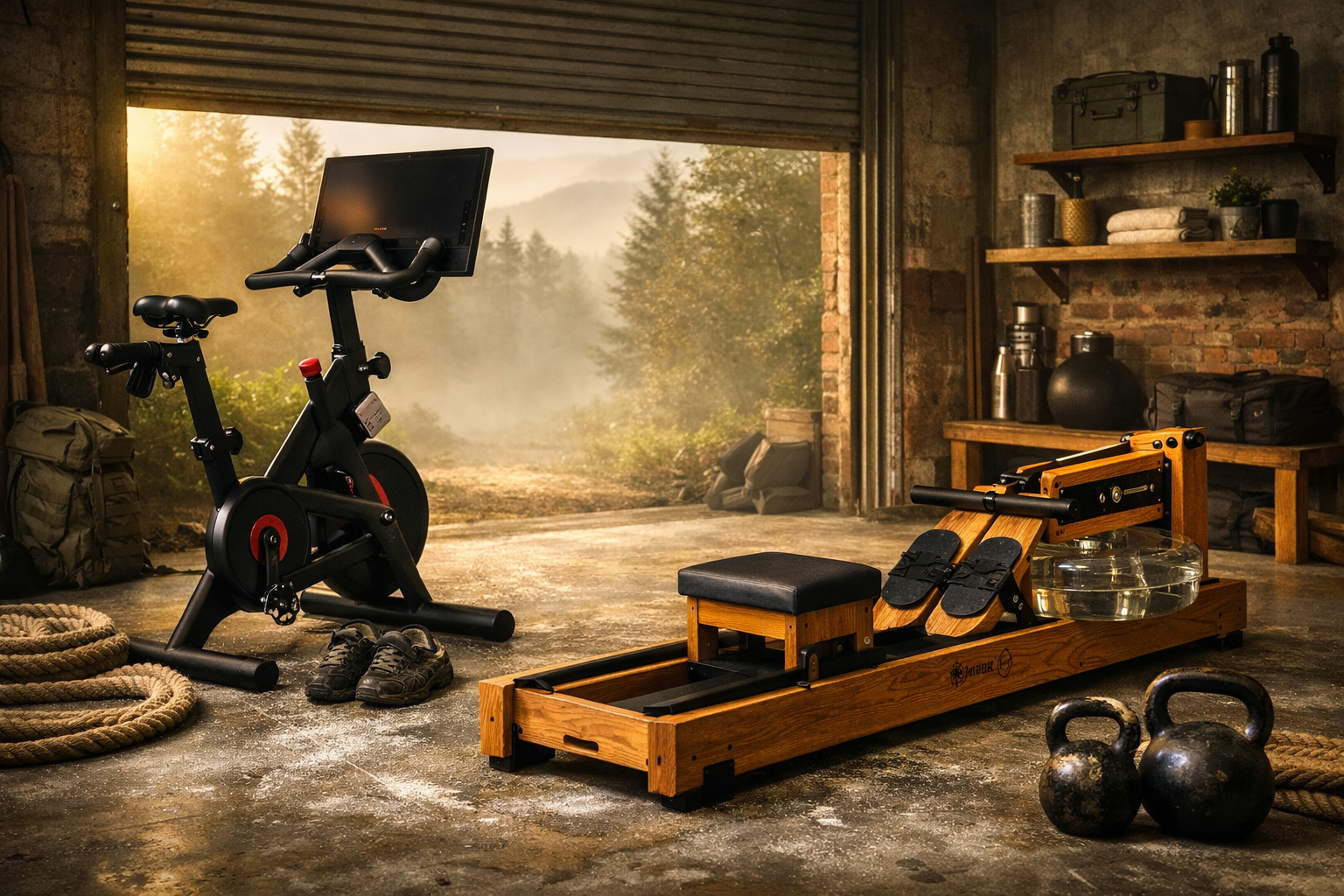
{Temporary Photo - AI Gen}
This Week's Training
Monday
Monday was supposed to be a strength training day. Instead, I decided to set my Garmin to Strength Training and spent a couple of hours battling the garden. Apparently moving bags of compost, digging, lifting, and generally trying to impose order on nature counts as a workout.
To be fair, I was as surprised as anyone when Garmin congratulated me afterwards. Who knew gardening was just strength training with worse gym etiquette and considerably more weeds?
Tuesday
The alarm went off. I woke up. I made a conscious decision to close my eyes for "just a minute."
Fifty minutes later, I woke up again.
By the time I surfaced at 4:50 am, there wasn't enough time left to fit in the planned run, get cleaned up, and make it to work without introducing unnecessary levels of stress into the day. The sensible decision was to take an unplanned rest day.
That said, the day wasn't completely inactive. In the evening, I joined the Men Walking and Talking Group for a 2.3 mile walk around Dorchester. Our mission was simple: explore roads we'd never walked before, put the world to rights, and admire some of the town's architecture.
It was a relaxed pace, but a good reminder that movement doesn't always have to involve a stopwatch.
Wednesday
Sleep was not my friend on Tuesday night. A military helicopter exercise seemed to be taking place directly above the house and, when the helicopters finally moved on, the dog took over night-watch duties by repeatedly licking his paw with Olympic-level dedication.
The plan had been another early morning run.
The reality was another late start.
Rather than forcing it, I adapted. After work, I headed home, got changed, and jumped onto Peloton for what was intended to be a scenic ride.
One of the things I enjoy about Peloton's scenic rides is the ability to cycle somewhere completely different while remaining firmly parked in Dorset.
The only question was:
“Where will I cycle tonight?”
As it turned out, nowhere scenic.
Thursday
The cycle ride on Wednesday evening didn't quite turn out as planned. Rather than a scenic tour through some far-flung virtual destination, I ended up joining a coached class instead. Things were going well right up until the final five minutes, when my legs politely informed me that they had reached their limit.
"Jelly legs" is probably the most accurate technical description.
Thursday saw me return to running, this time around Dorchester and Poundbury. It was an enjoyable run and reminded me that I should make more use of the area as a training ground. The roads, paths, and varied terrain make for a far more interesting session than simply repeating the same routes every week.
Thanks to my Men Walking and Talking Group, I've also discovered several local trail routes that I'd never considered before. Having these options available will help mix up the terrain, keep training interesting, and hopefully build some of the resilience I'll need for future events.
Friday
Friday morning began with a familiar battle.
The alarm went off.
My body responded with a firm and immediate:
“Absolutely not."
To its credit, that refusal only lasted an hour. By 5:00 am I was up, dressed, and staring at a piece of equipment that had become more of a furniture item than a fitness machine.
The rowing machine.
After removing what felt like several weeks' worth of dust, I got everything ready: TV mirroring connected, Garmin recording, Shokz paired up, and the rowing class queued.
Time to work.
The session started well.
An 18–24 stroke rate? No problem.
A 20–26 stroke rate? Still comfortable.
Then came 22–28.
Problem.
I could just about hit the upper end of the range, but maintaining it was a completely different matter. The engine was willing, but the machinery wasn't quite ready for that level of enthusiasm.
It was a timely reminder that fitness doesn't come back overnight and that there's a fine line between pushing yourself and trying to cash cheques your conditioning can't yet pay.
Still, that's exactly why this week exists. Better to discover the limits now, dust off a few cobwebs, and build gradually than attempt too much too soon.
The rowing machine may have won this round, but at least it's finally had a workout.
Saturday
Saturday's training was a 3.6-mile trail run straight from the front door.
No playlists. No traffic. No distractions.
Just me, the birds, and a few deer who looked as though they were wondering what on earth I was doing up at that hour.
There wasn't much to report from the run itself, and sometimes that's not a bad thing. No heroic efforts, no navigational errors, no unexpected encounters with angry livestock. Just the simple pleasure of being out in nature while most people were still tucked up in bed.
There is something special about having the trails to yourself, hearing the dawn chorus, and watching the countryside wake up around you.
The afternoon offered a different kind of training opportunity, not for the legs, but for the mind.
The Tri-Counties Trail Running’s Sly Fox 10km race was taking place, and I volunteered to marshal.
Many of the runners there are people who have been at this game far longer than I have; athletes whose consistency, determination, and achievements I admire and, if I'm honest, aspire to emulate.
Marshalling gave me a front-row seat to the action. I watched runners of all abilities pass through, each chasing their own goals, whether that was a personal best, a podium place, or simply reaching the finish line.
It's always inspiring to see the effort, commitment, and enjoyment on display.
Improvement leaves clues. If you want to become better at something, spend time around people who are already doing it well.
Saturday was as much about absorbing experience and motivation as it was about helping put on a successful race.
Besides, standing around in a high-vis vest shouting encouragement is considerably easier than actually running the thing.
For now, at least.
Sunday
Sunday provided an opportunity to combine recovery, fresh air, and my duties with the National Coastwatch Institution.
The planned walk never happened. Instead, I chose sleep and a slower start to the day before a leisurely drive to Coastwatch, arriving before the grockles descended on the Isle of Purbeck to enjoy a sunny day.
While volunteering can sometimes feel like another commitment competing for precious training time, Coastwatch shifts never really feel that way. There is something restorative about spending time by the sea, watching the tide ebb and flow, observing the changing weather, listening to the waves, and keeping a watchful eye on those enjoying the coastline.
No medals.
No personal bests.
No Garmin badges.
Just perspective.
Watching over the sea felt like the perfect way to round off the week. Sometimes recovery isn't about sitting still. Sometimes it's about moving at a gentler pace, taking in your surroundings, and allowing your mind to catch up with your body.
After a week of rebuilding, that felt like exactly the right way to finish.

Mental Battles
If there was one consistent opponent this week, it wasn't the rowing machine, the bike, or the running routes around Dorchester, it was my own head.
The alarm clock and I had several heated discussions throughout the week, and I can't honestly claim victory every time. Some mornings the motivation simply wasn't there.
Yet this week reinforced something I already know:
Motivation is fleeting. Habits are what get the job done.
The sessions I completed weren't always the sessions I had planned, but they happened because I adapted rather than giving up altogether. That's a mindset I want to keep developing as training progresses.
Motivation
A lot of my motivation comes from seeing what is possible.
Marshalling at both the GB Ultra Wales 50 and the Sly Fox 10km gave me the opportunity to spend time around athletes who have put in years of consistent work. Watching them compete reminded me why I deferred my ultra place rather than forcing the issue this year.
I don't want to simply complete an ultra.
I want to be fit enough to enjoy the experience and give myself the best possible chance of success.
Being around those runners didn't make me wish I was racing this year. Instead, it strengthened my belief that taking a year to build properly is the right decision. It didn't leave me feeling like I was missing out, it left me feeling determined.
It made me want to earn my place on that start line next year.
Every run, ride, row, strength session, and healthy choice is now a small investment towards standing on that start line next year, knowing I've done everything I can to be ready.
Tough Sessions
Not every session was smooth.
The rowing machine was particularly good at delivering a healthy dose of humility. After spending more time gathering dust than covering metres, it soon reminded me that fitness doesn't magically return just because you've started training again.
The lower stroke rates felt comfortable enough, but once the session pushed towards the 22–28 range, things became noticeably harder. I could reach the target, but maintaining it was another matter altogether.
By the end, my legs had all the structural integrity of a trifle.
The cycling class earlier in the week produced a similar outcome. I managed to hang on until the final five minutes before jelly legs arrived and took over proceedings.
As frustrating as these moments can be, they're important.
They show me where my fitness is today, not where I think it should be.
The reality is that coming back requires patience, and these sessions are part of rebuilding the engine rather than testing its limits. This week wasn't about proving what I could do; it was about discovering where I am and identifying where the work needs to happen.
Work/Life Balance
One thing I am increasingly aware of is that training exists within the context of a busy life.
There is work, family, volunteering, the Men Walking and Talking Group, and my duties with the National Coastwatch Institution.
These commitments all take time, but not all time away from training is time lost.
My Coastwatch shifts in particular are good for the soul. Standing watch over the coastline, listening to the waves, watching the weather roll through, and observing the natural world has a calming effect that is difficult to find elsewhere.
While it may not appear in Garmin as a training session, it undoubtedly contributes to wellbeing and helps reset the mind. In many ways, it provides the mental recovery that is just as important as the physical recovery.
I've also been reminded this week that recovery matters just as much as training.
Unfortunately, beer and wine are not always willing partners in that process.
They have a remarkable ability to make early alarms feel unnecessary, disrupt sleep, and leave the body feeling a little less enthusiastic about exercise the following morning.
I'm not giving them up entirely, life is for living, after all, but there is a noticeable difference between waking up after a good night's recovery and waking up wondering why last night's "just one more" seemed such a brilliant idea at the time.
The challenge going forward is finding a balance that works: training consistently, fulfilling commitments, enjoying life, and recovering well enough to keep moving forward.
Because this journey isn't about having one excellent week.
It's about building a lifestyle that gets me to next year's ultra start line stronger, fitter, and wiser than I am today.
And, if possible, with significantly fewer incidents involving jelly legs.

Current Weight
This week wasn't just about getting moving again, it was also about taking a hard look at some of the habits that got me here in the first place.
I've started tracking my food intake through Garmin alongside my training, and if I'm honest, it's been a slightly sobering experience.
One of the biggest surprises has been seeing just how many calories can be packed into what appears to be a perfectly innocent portion. Foods that I would previously have considered a small snack can sometimes contain the same calories as an entire meal.
It turns out my appetite, and my understanding of portion sizes haven't always been operating from the same instruction manual.
Garmin has been brutally honest. A handful of snacks here, a biscuit there, and suddenly those calories start adding up far quicker than I would have imagined.
Weekly Change
The aim for the coming weeks is straightforward: create a sustainable calorie deficit while continuing to build fitness.
I'm currently targeting around 2,000 calories per day, which should place me in a calorie deficit and allow weight loss to begin steadily while still providing enough fuel to support training.
The goal isn't rapid weight loss.
It's developing habits that I can maintain over the long term.
I've spent enough years around fitness to know there are no shortcuts. The weight didn't appear overnight, and it isn't going to disappear overnight either.
This is a long game, and I'd rather lose weight slowly and keep it off than chase quick results that don't last.
Wins and Struggles
The biggest win this week was simply building momentum.
The training included strength work, running, cycling, rowing, gardening disguised as strength training, and plenty of walking. Not every session went according to plan, but importantly, I kept showing up.
The rowing machine and cycling sessions also provided a useful dose of reality. Both ended with a severe case of jelly legs, which is apparently what happens when enthusiasm temporarily exceeds conditioning.
The biggest challenge wasn't physical.
It was behavioural.
Tracking food means there is nowhere to hide.
It's easy to underestimate what you eat when you're not measuring it. Garmin has become an unforgiving but honest training partner, quietly highlighting every biscuit, snack, and "that doesn't really count" moment throughout the day.
Sadly, it all counts.
The positive side is that awareness creates accountability, and accountability creates change.
Nutrition Reflections
There is a saying often repeated in fitness circles:
"You can't outrun your fork."
The more I train and track my nutrition, the more I realise how true that is.
Another phrase often quoted is that weight loss is roughly 80% nutrition and 20% exercise. Whether the exact split is accurate or not, the principle certainly is. Creating a calorie deficit is far easier through managing food intake than trying to burn everything off through exercise.
Or, as many endurance athletes put it:
"Abs are made in the kitchen."
This week reinforced all of those lessons.
A run might burn a few hundred calories. A couple of pints and a packet of crisps can replace them in a matter of minutes.
It's slightly unfair, but unfortunately that's how the maths works.
None of this means I intend to survive on lettuce leaves and mineral water. Life is meant to be enjoyed. There will still be the occasional beer or glass of wine, but I'm becoming far more aware that every choice has consequences.
Good nutrition supports recovery, sleep, training performance, and weight loss.
Poor decisions tend to show up the following morning when the alarm goes off and staying in bed suddenly seems like the greatest idea ever conceived.
The focus going forward is simple:
Track everything honestly.
Stay close to the 2,000-calorie target.
Prioritise protein and recovery.
Reduce mindless snacking.
Remember that the kitchen is as important as the gym, the trails, the bike, and the rowing machine.
Because next year's ultra won't be completed by wishful thinking.
It will be built one meal, one session, and one good decision at a time.

Lesson of the Week
“Progress doesn't come from perfect weeks; it comes from consistent ones.”
This week certainly wasn't perfect.
There were missed alarms, disrupted sleep, jelly-leg-inducing workouts, and a few reminders that beer and wine aren't exactly performance-enhancing supplements.
There were sessions that happened exactly as planned and others that required some creative adaptation.
But looking back, the important thing is that I kept moving forward.
I deferred an ultra because I wasn't ready. I watched runners who are where I want to be. I completed runs, rides, rowing sessions, and strength work. I spent time volunteering, supported races, stood watch with the National Coastwatch Institution, and still found time to enjoy the peace of being outdoors.
The lesson is that success isn't built during the big, inspiring moments.
It's built during the ordinary days when you could easily do nothing but choose to do something instead.
This week reminded me that fitness is not about proving how fit you are today.
It's about making enough good decisions, often enough, that the person a year from now is capable of things the person today can only aspire to.
After all, the athletes I watched at Coed-y-Brenin weren't built in a single training session or even a single year. They were built through thousands of small decisions made consistently over time.
That's the real lesson from this week.
“Small steps. Consistently taken. That's how boundaries get moved.”

Food photo by Hello Fresh
Hello Fresh’s Quick Thai Green-Style Veggie Curry with Zesty Jasmine Rice
This week's recipe isn't one of my own creations, but it was far too good not to share.
The Stats
Preparation & Cooking Time: 20 minutes
Calories: 557 kcal
Protein: 13.7g
Difficulty: Easy
Serves: 2
Cooking Steps
Cook the Rice
Boil a half‑full kettle.
Pour the boiled water into a large saucepan, add ¼ tsp salt, and bring it to a high heat.
Add the rice and cook for 12–13 minutes.
Drain the rice in a sieve, return it to the pan, cover with a lid, and set aside until serving.
Prep the Ingredients
Peel and grate the garlic (or use a garlic press).
Halve the bell pepper, remove the core and seeds, then slice into thin strips.
Zest the lime and cut it into wedges.
Slice the pea pods in half widthways.
Start the Curry
Heat a drizzle of oil in a large frying pan over high heat.
Add the sliced pepper and stir‑fry for 3–4 minutes, until it begins to soften.
Add the garlic, Thai‑style spice mix, and Thai green‑style paste. Cook for 30 seconds.
Pour in the coconut milk, soy sauce, and the required amount of water. Stir to combine.
Add the Pea Pods
Add the pea pods to the curry.
Bring to the boil, then simmer for 5–6 minutes until the sauce thickens slightly, it should still be loose but able to coat the back of a spoon.
If the sauce is too thick, add a splash of water. If too thin, simmer for an extra minute.
Finish the Curry
Taste and season with salt and pepper if needed.
Remove from the heat and stir in the peas plus a squeeze of lime juice.
Finish and Serve
Fluff the rice with a fork and stir in the lime zest.
Divide the zesty rice between bowls and spoon the veggie curry on top.
Sprinkle with black sesame seeds and serve with extra lime wedges.
Why I Liked It
This curry packs an incredible amount of flavour into a relatively modest calorie count. The fragrant Thai green-style sauce, creamy coconut milk, crunchy vegetables, fresh lime, and fluffy jasmine rice combine to create something that feels far more indulgent than the numbers suggest.
The peas and pea pods add texture and substance, while the lime zest stirred through the rice lifts the whole dish and gives it a fresh, zesty finish.
Most importantly, it doesn't feel like "diet food."
Too often healthy eating is portrayed as endless plates of plain chicken and vegetables. This dish proves that you can eat something colourful, interesting, and genuinely enjoyable whilst still supporting your weight-loss goals.
Why It Fits My Current Goals
With a target of around 2,000 calories per day, every meal needs to earn its place.
This recipe:
✅ Keeps calories under control
✅ Contains a good amount of protein
✅ Includes plenty of vegetables
✅ Is quick enough for a busy weekday evening
✅ Feels satisfying without being overly heavy
✅ Helps avoid the temptation of reaching for snacks later
Barry's Verdict
This is exactly the sort of meal I need more of during this journey.
It's quick to prepare, full of flavour, and leaves you feeling like you've eaten a proper meal rather than making a sacrifice in the name of weight loss.
I'll definitely be adding it to the regular rotation.
Training Partner Rating: ⭐⭐⭐⭐⭐
Likelihood of Cooking Again: Absolutely.
Likelihood of Going Back for Seconds: Let's just say Garmin is watching...
The Ultra Project | Intro

One year ago, I couldn't run past three lampposts.
Not three miles. Not three kilometres. Three lampposts.
I remember the burning lungs, the heavy legs, and the little voice in my head asking, "What on earth are you doing?"
At the time, I didn't realise I was taking the first steps on a journey that would change far more than my fitness.
"The biggest distance I've travelled wasn't on the trail. It was the distance between 'I can't' and 'what if I can?'"
It wasn't pretty. It wasn't inspiring. It certainly didn't look like the beginning of an ultra-running journey.
But it was a beginning.
The Ultra Project is the story of what happens when an ordinary bloke decides to stop making excuses and start finding out what's possible.
This isn't a blog about elite athletes, podium finishes, or perfect training plans. It's about showing up when motivation disappears. It's about getting out of the door when the weather is awful, the legs are tired, and the sofa is calling your name.
"You don't become an ultra runner in a day. You become one run at a time."
Over the coming months, I'll be sharing the reality of that journey:
Weekly training updates
Weight loss and fitness progress
Lessons learned on the trails
Race reports and event experiences
Honest kit reviews
The setbacks, doubts, wins, and breakthroughs that happen along the way
And maybe a few recipes to keep you going
Some weeks will be successful. Others won't.
There will be missed targets, difficult runs, muddy trails, aching legs, and moments when I question why I've signed up for another challenge. But every experience has something to teach.
Because this project isn't really about running.
It's about resilience.
It's about discipline.
It's about discovering what's possible when you stop negotiating with discomfort and start committing to progress.
"Three lampposts became a mile. A mile became a habit. A habit became a marathon. Now it's time to see how far the journey can really go."
So welcome to The Ultra Project.
This is the story of how I went from three lampposts to ultra distances, and I'm only just getting started.
I'll be aiming to post here once a week. Think of it as a running diary from an ordinary bloke trying to lose a bit of weight, get a bit fitter, and see just how far he can push himself. Some weeks will be better than others, but I'll share them all the same.

From Three Lampposts to Trail Marathon
One year ago, I couldn’t run past three lampposts.
Not three kilometres.
Not three minutes.
Three lampposts.
That’s where this journey started, not with a flashy race photo or a shiny medal, but with lungs burning, legs protesting, and a quiet voice in my head asking, “What on earth are you doing?”
This website exists because I didn’t stop.
From Lampposts to Start Lines
Running wasn’t new to me, but finishing was. Like many people, life, work, and excuses had slowly pushed fitness into the background. Decades had passed since I last called myself a runner, and the gap showed.
My first runs were humbling. Awkward. Short. I measured progress in lampposts, not miles. But somewhere between those early, painful efforts, something clicked. I stopped worrying about pace and started focusing on showing up.
One run became two.
Two became a habit.
A habit became belief.
The First Half (And Then Another…)
That belief carried me to my first road half marathon in decades. Crossing that finish line wasn’t about time, it was about proving something to myself. That I could commit. That I could endure. That I could rebuild, no matter how far gone I thought I was.
Instead of stopping there, I leaned further in.
Next came a trail half marathon; hills, mud, uneven ground, and moments that tested both legs and mindset. It was harder … and I loved it.
Then came the question that quietly changes everything:
“What if I went further?”
One Year In. One Trail Marathon Down.
A year after struggling past three lampposts, I stood on a trail marathon start line.
It wasn’t perfect. It wasn’t pretty. But I faced it head on. Every climb, every setback, every moment of doubt. And when I crossed that line, I knew this journey was about far more than running.
It was about resilience.
Discipline.
Curiosity.
And seeing what’s possible when you stop negotiating with discomfort.
Why This Site Exists
With Barry Goes Ultra isn’t about pretending it’s easy. It’s about being honest when it’s hard.
This is a place to document:
The training (good and bad)
The mental battles no one posts on social media
The lessons from the trail
And the ordinary moments that lead to extraordinary outcomes
I’m not here to tell you I’m special.
I’m here to show you what happens when someone ordinary commits with consistently.
If you’re starting from lampposts… If you’re returning after years away… Or if you’re staring at an “ultra” goal wondering if it’s too much,
Stick around.
This is just the beginning.